Why Does My COA List Results in Percent by Weight?
If you've ever looked at a Certificate of Analysis (COA) for your CBD oil or other cannabinoid supplement, you may have noticed that many test results are reported in percent by weight (percent w/w). This can cause confusion, especially when trying to reconcile the COA data with the product label. As an outpatient medication reconciliation nurse with over a decade of experience in adult primary care and cardiology, I often encounter patient questions about COA terminology, units, and how it all ties into safe, effective dosing.
In this article, we'll unpack why COAs list results in percent w/w, how to match COA batch numbers and dates to your product, and the difference between acid and neutral cannabinoids — all crucial for avoiding label unit mismatch and dose confusion. We’ll also highlight trusted companies like Joy Organics, certifications such as https://bizzmarkblog.com/how-do-i-avoid-unit-mistakes-when-reading-cannabinoid-lab-results/ USDA Organic and NSF, and practical tools like QR code batch lookups and batch numbers printed on cartons.
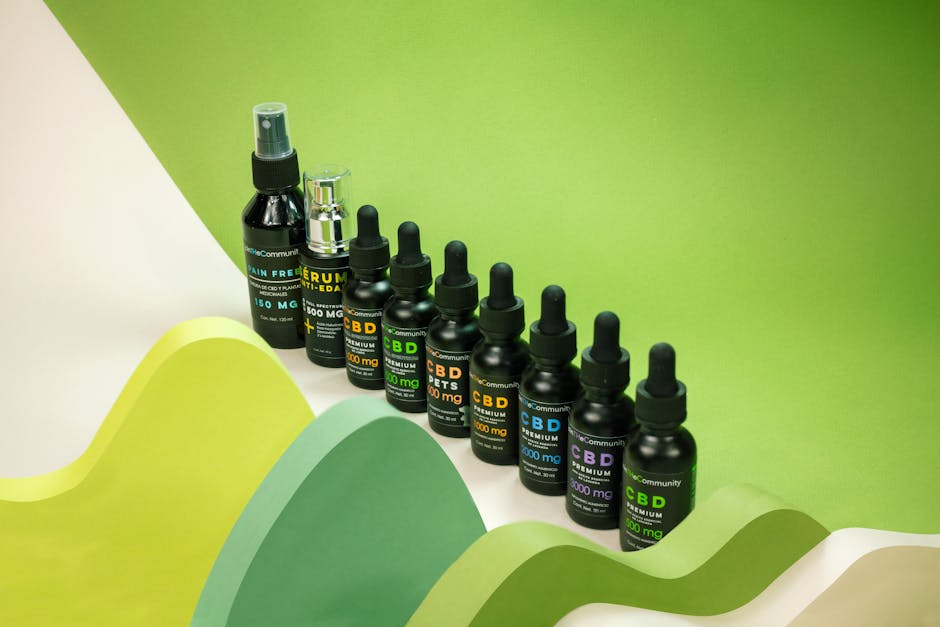
What is a Certificate of Analysis (COA) and Why Does It Matter?
A Certificate of Analysis is a third-party lab result that verifies what’s actually in your supplement. Think of it as a report card for the product, ensuring it contains what it claims and is free from harmful contaminants. For cannabis-derived products, the COA confirms cannabinoid content (like THC, CBD, and minor cannabinoids) and often reports other details like terpene profiles, heavy metals, pesticides, and microbial contaminants.
COAs are essential because the supplement industry is minimally regulated compared to pharmaceuticals. Without a COA, there’s no reliable way to know if a product is safe, potent, or pure. Leading brands such as Joy Organics incorporate COAs into their transparency practices, allowing customers to verify each batch via QR codes on the label.
Quick Checklist: Why You Should Always Review a COA
- Verify potency to match the dose you intend to take
- Confirm absence of contaminants like pesticides or heavy metals
- Check batch number and date to ensure COA matches your product
- Identify if cannabinoid counts are reported as acid or neutral forms
Batch and Date Matching: The Key to Accurate Comparison
Before diving into percentages and units, it's critical to make sure the COA you have corresponds exactly to the batch you purchased. This prevents using outdated or unrelated data. Batch numbers are unique identifiers assigned during manufacturing and can usually be found:
- Printed directly on the product carton or bottle label
- Embedded within a QR code on the packaging for digital lookup
Brands like Joy Organics make it easy to scan QR iso iec 17025 lab meaning codes which link directly to the lab-test results for that specific batch, ensuring you’re seeing the precise data that matches your bottle. This is far more reliable than relying on general or expired reports, which can significantly alter your understanding of the product’s potency and safety profile.
Why Batch Matching Matters
- Product variability: Even slight changes in raw materials or processing can alter cannabinoid levels.
- Quality control: Identifies if a recalled or problematic batch is currently in your hands.
- Dosing accuracy: Your dose depends on the exact concentration in your bottle, which could differ between batches.
Understanding Potency Units: Why Percent by Weight?
Once you have the right COA, you'll notice cannabinoid potencies listed in various units: milligrams per gram (mg/g), milligrams per milliliter (mg/mL), or as a percent by weight (percent w/w). In cannabinoid testing, percent w/w is very common because lab instruments measure concentration relative to the total weight of the tested sample.
Percent w/w represents how many grams of a cannabinoid exist in 100 grams of the total sample. For example, a 1.5% w/w CBD result means 1.5 grams of CBD per 100 grams of the product. This weight-based measurement is especially useful for oils, tinctures, and solid extracts.
How Percent w/w Affects Dose Calculations
Percent w/w can cause confusion when comparing to the product label, which often lists potency per serving in milligrams. This is referred to as the label unit mismatch problem. To work around this, you need to know the density or volume of your product and the serving size. Here is a simplified example for a tincture:
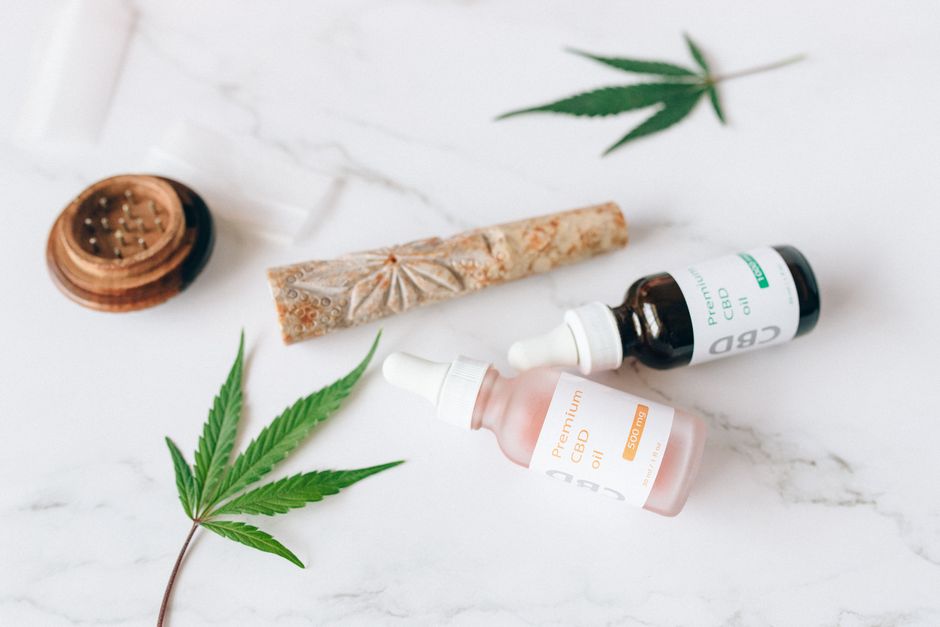
This calculation shows how percent w/w translates into a practical dose. Always ask to see the actual bottle and check both the label and the COA to reconcile these numbers. Remember: if the label doesn’t match the COA, that’s a major red flag!
Acid vs Neutral Cannabinoids: What’s the Difference?
COAs often separate acid-form cannabinoids from their neutral counterparts. For example, THCA (tetrahydrocannabinolic acid) converts to THC (tetrahydrocannabinol) when heated (decarboxylated). Similarly, CBDA converts to CBD.
This distinction affects potency calculations. The COA might list:
- THCA-A: 0.8%
- THC: 0.1%
- Total THC (calculated): typically THCA × 0.877 + THC
The factor 0.877 accounts for the loss of the acidic group during decarboxylation. Some companies choose to report total cannabinoids as the sum of acid and neutral forms (“total cannabinoids”) while others list them separately.
Why This Matters For Dose Confusion
If you only consider neutral cannabinoids, you likely underestimate your dose. Conversely, some labels only report neutral cannabinoids, making it hard to compare to COAs listing acids. This is a common source of user confusion and inaccurate dosing.
Reputable companies like Joy Organics clearly explain their reporting methods and include total cannabinoid values. Certifications from USDA Organic and NSF also indicate that testing and labeling meet stringent standards, reducing confusion and enhancing safety.
Additional Tools to Check COA Authenticity and Accuracy
Here are two practical ways you can verify that your COA is authentic and corresponds to your product batch:
- Batch Number Printed on Carton: Always look for the batch or lot number printed on the product carton or bottle. This should exactly match the batch number printed on the COA.
- QR Code Batch Lookup: Scan QR codes on product packaging. This will take you directly to the manufacturer’s website or third-party lab results where you can view the COA for your exact batch. Joy Organics, for example, includes this feature on all their products for transparency.
If the batch number or QR code results do not match your product, or if the COA lacks batch info, it’s best to avoid using that supplement and report your findings to your healthcare provider or consumer protection agency.
Summary & Practical Tips
To recap, here's why your COA lists results in percent by weight and what you can do with that information:
- COA Basics: A COA is your product’s lab test report that must match your purchase by batch number and date.
- Batch Matching: Use the batch number on the carton and scan QR codes to verify authenticity and accurate data.
- Potency Units: Percent w/w shows cannabinoid weight relative to product weight, requiring conversion for dosing consistency.
- Acid vs Neutral Cannabinoids: Know if acid cannabinoid forms are included in totals to avoid dose confusion.
- Red Flags: Avoid COAs with missing batch numbers, vague labels like "CBD oil" without dose, or pass/fail panels without actual numbers.
- Trusted Brands & Certifications: Use products from companies like Joy Organics that use third-party testing, provide batch-specific COAs, and hold certifications like USDA Organic and NSF for added safety.
Final Thoughts from a Nurse’s Perspective
During medication reconciliation, I always ask patients to physically show me their supplement bottles—and their corresponding COAs—before discussing dosing or potential interactions. This hands-on approach helps catch label unit mismatches and eliminates guesswork that could harm patient safety. Always maintain a mental checklist for COA red flags and encourage patients to understand their supplements just as closely as their prescribed medications.
By understanding the nuances of percent w/w results and correctly matching your product batch to its COA, you empower yourself to take supplements safely and confidently.
Have questions about your supplement’s COA or how to interpret it? Feel free to leave a comment or reach out—we’re here to help you make informed, safe choices.