My Home Feels Stuffy So We Stay in One Room – What Design Changes Help?
Have you ever noticed that your home feels stuffy, so much so that everyone ends up crowding into just one room? In humid climates like Singapore, this is a common issue. Moisture builds up, airflow becomes sluggish, and rooms quickly turn uncomfortable. The good news is, you don’t have to accept “stuffy Discover more here rooms” as inevitable. With thoughtful design changes focused on airflow comfort, moisture https://smoothdecorator.com/how-do-i-make-stairs-safer-at-night-without-blinding-lights/ control, and durable materials, you can transform your home into a healthier, fresher space where every room feels inviting.
Why Does My Home Feel Stuffy in Humid Climates?
Before diving into design solutions, let’s understand why homes often feel stuffy, especially in humid tropical settings:
- High Humidity Levels: Humid air holds more moisture, limiting evaporation of sweat and making us feel sticky and uncomfortable indoors.
- Poor Airflow Paths: Without proper ventilation and airflow routes, indoor air stagnates, allowing heat and moisture to build.
- Moisture Generation from Daily Activities: Kitchens, bathrooms, and laundry areas continuously introduce moisture into the air, contributing to stuffiness and mould risk.
- Material Choices: Some interior finishes trap moisture or are hard to clean, encouraging mould and lingering damp smells.
Stuffy rooms are a symptom of insufficient indoor air quality management and moisture control. Let’s explore design-first strategies to tackle these issues.
Key Design Changes to Improve Airflow Comfort at Home
The goal is to create a home where each room encourages good airflow, dryness, and healthy humidity comfort. Here’s how:

1. Plan and Maximize Airflow Routes
My first question when reviewing a home’s layout is always, “ Where does the steam go?” That’s because kitchens, bathrooms, and laundry rooms are the major moisture hubs. If their steam or damp air has nowhere to go, it settles into other rooms causing the entire home to feel stuffy.
- Cross Ventilation: Ensure windows or ventilation openings are placed to enable air to flow through the home, ideally from a cooler, shaded side to a warmer side.
- Internal Doorways and Louvered Panels: Avoid airtight room separations. Use louvered doors or transom windows above doors to let air circulate without compromising privacy.
- Extract Fans and Ventilation Systems: Install properly sized extract fans in wet areas. Regularly verify they vent outside, not into ceiling voids or ducts.
- Stepped Airflow Planning: Consider the daily path of moisture—from kitchen cooking steam, bathroom showers, to laundry washes—and make sure ducts and airflow outlets are continuous and unobstructed.
2. Separate Wet Zones as Micro-Humidity Systems
Bathrooms, kitchens, and laundries are like mini humid climates within your home. Treating them as such helps prevent the spread of moisture:
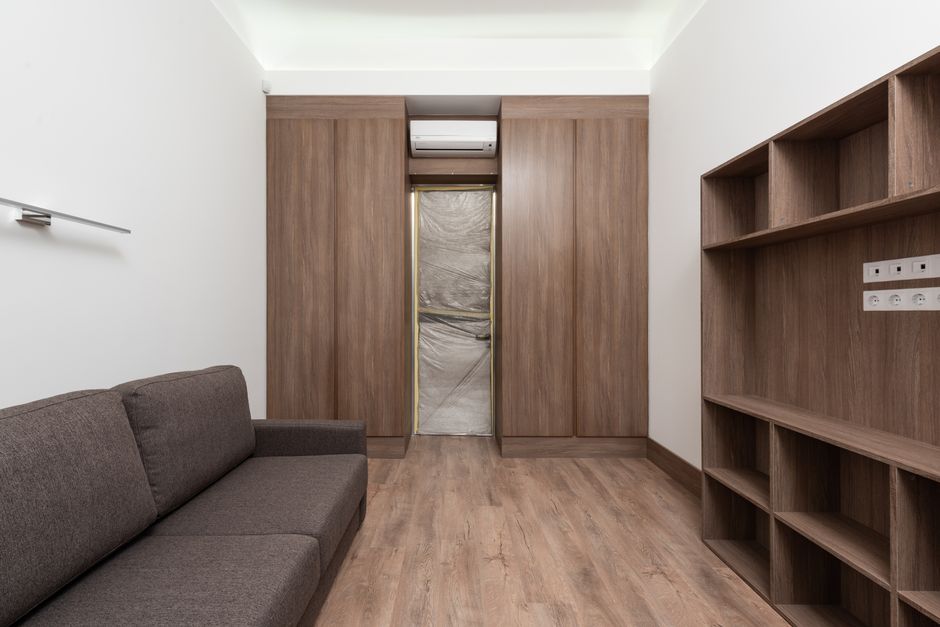
- Dedicated Exhausts per Zone: Each wet zone should have its own exhaust fan, preferably with humidity sensors to activate only when moisture rises.
- Use Drywall and Waterproof Coatings: Wet zones walls and ceilings should be waterproofed to prevent moisture seepage. Avoid porous materials here.
- Ceiling and Under-sink Void Management: Avoid false ceilings near windows or over sinks where stagnant moist air gets trapped—these are mould magnets.
3. Choose Durable, Cleanable Materials That Resist Mould
Here's a story that illustrates this perfectly: thought they could save money but ended up paying more.. Here's what kills me: fresh air alone isn’t enough if surfaces invite mould growth or need constant maintenance. Material choices play a critical role:
Material Type Where to Use Benefits for Humidity Comfort and Cleanability Non-porous Tiles (ceramic/porcelain) Kitchens, Bathrooms, Laundry Resists moisture, easy to clean, prevents mould buildup Moisture-resistant Wallboards (e.g. water-resistant drywall) Bathroom and kitchen walls and ceilings Reduces moisture absorption, maintains integrity over time Aluminium or UPVC Window Frames Windows and Ventilation openings Does not warp or retain moisture like wood; easy maintenance Durable Waterproof Paints with Anti-fungal Additives Wet zones and adjacent areas Limits mould spores growth; improves surface longevity Sealed Cabinetry and Countertops Kitchen and laundry storage Prevents moisture ingress and microbial growth4. Simplify Daily Movement and Reduce Layout Friction
In humid climates, or with stuffy rooms, inefficiencies in layout intensify discomfort. For example, if it takes many steps between kitchen, laundry, and bedrooms, your family tends to bunch in one space that feels most comfortable instead.
Counting daily steps between wet zones and living/sleeping areas can expose layout friction. Aim to cluster wet zones with logical adjacencies and easy access to ventilation points.
Additional Practical Tips for Homeowners
- Regularly Maintain and Clean Extract Fans: Dirty or broken fans don’t exhaust moisture properly.
- Don’t Ignore Small Signs of Mould: Early remediation prevents bigger problems and preserves air quality.
- Use Dehumidifiers if Needed: Portable units help in stubbornly damp rooms.
- Avoid Overusing Air Conditioners Without Ventilation: AC cools but doesn’t remove moisture; combine with ventilation.
- Keep Furniture Slightly Away from Walls: Enables airflow behind cupboards to prevent hidden mould spots.
Summary Table: Design Changes to Reduce Stuffy Rooms
Design Aspect Action Benefit Airflow Routes Cross-ventilation + louvered doors + proper exhaust Improved air circulation; removes humid air efficiently Wet Zones as Humidity Systems Dedicated exhaust + waterproof finishes + exhaust to outside Limits moisture spread; reduces mould risk Material Choices Non-porous tiles, moisture resistant walls, anti-fungal paint Easy cleaning; mould resistant surfaces Layout Efficiency Cluster wet zones close to bedrooms/kitchen; minimize steps Enhances outdoor air exchange; reduces staying in one stuffy roomStay Connected and Share Your Home Wellness Journey
If you found these insights helpful, join the conversation and get more tips on managing indoor air quality and humidity comfort by following YourHealthDMV on Facebook. Share this post with family and friends using your email by clicking here.
Your home should be a sanctuary, not a stuffy trap. With smart design-first approaches to airflow, moisture control, and materials, you can breathe easier and live better every day.