How to Build a Support-First Response When Analytics Show a Patient Is Struggling
In the evolving landscape of digital healthcare, patient interactions with technology often reveal gradual behavioural risks rather than clear, one-off events. Analytics systems embedded within patient portals and remote monitoring systems increasingly provide valuable insight into these behaviours. But recognizing that a patient is struggling is only the first step — to truly improve outcomes, healthcare providers must build support-first response pathways that prioritize patient help, respect privacy, and emphasize meaningful intervention over punitive assumptions.
The Gradual Emergence of Behavioural Risk in Digital Interactions
Healthcare technology is packed with signals, but as anyone involved in digital health analytics knows, a single data point rarely tells the whole story. Behavioural risk typically emerges incrementally — a pattern of increasing missed appointments within a patient portal, sustained low engagement with prescribed activities in a remote monitoring system, or subtle signs of frustration or confusion when navigating digital interfaces.
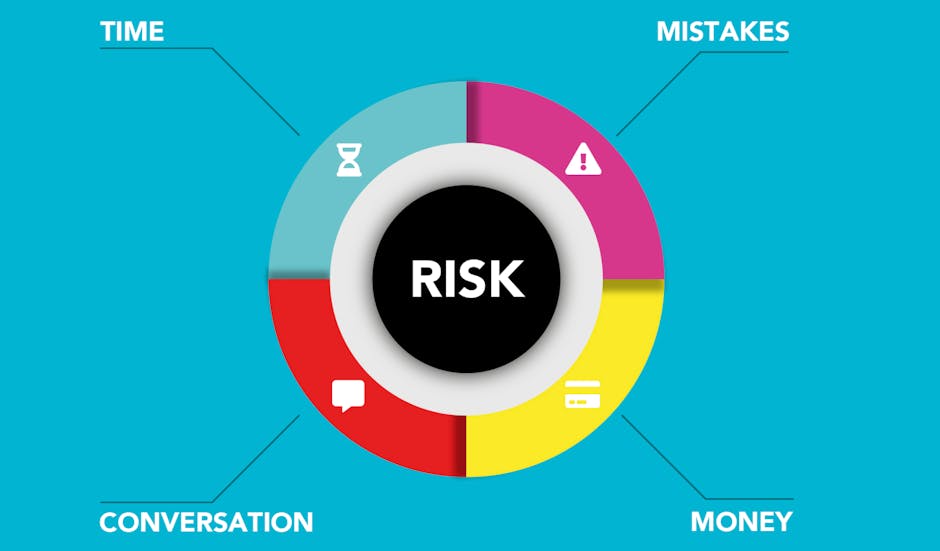
For example, the National Institutes of Health (NIH) has researched how long-term tracking of engagement can better predict patient adherence and health outcomes than isolated readings. Patterns matter more than single events — one missed check-in or one slow response time on a patient portal should not trigger alarm bells. Instead, well-designed algorithms and care teams must detect trends suggesting someone might be at risk of disengagement or health deterioration.
Lessons from Regulated Platforms: Behavioural Signals as Early Warning
Interestingly, regulated industries outside healthcare provide useful analogies for how to harness behavioural signals responsibly. Gambling platforms, like those managed by https://smoothdecorator.com/how-to-use-behavioural-signals-to-improve-patient-support-options/ companies such as MrQ, use sophisticated analytics to spot early signs of problematic gambling behaviour. They do this not to penalize users at the first misstep but to offer support pathways that include self-exclusion options, targeted messages, or links to help services. This model highlights several lessons for healthcare:
- Patterns over isolated incidents are key to identifying risk.
- Intervention should prioritize user wellbeing and agency.
- Offering accessible alternative channels for help supports diverse patient preferences and reduces stigma.
Adopting a 'support-first' mindset can help healthcare providers avoid framing every drop-off or missed interaction as 'non-compliance' — a loaded label that risks alienating patients instead of helping them.
Designing a Support-First Pathway: Practical Steps
When analytics indicate a patient is struggling, whether through low engagement on a patient portal or concerning readings in a remote monitoring system, providers should follow a thoughtful, patient-centered path. Here’s a step-by-step framework to do that:
- Validate the Signals: Before any action, confirm that the behavioural patterns are consistent and meaningful. Look out for confounding factors such as technical issues, accessibility barriers, or demographic differences.
- Ask "What Would Support Look Like Here?": Instead of jumping to judgment, consider what personalized help might encourage the patient’s re-engagement or wellbeing. For example, would a friendly phone call, a text message with links to tutorials, or an alternative communication channel be most helpful?
- Preserve Privacy and Autonomy: Transparent communication about what data is collected and how it’s used builds trust. Ensure that patients have control over their data and can access support discreetly if desired.
- Offer Alternative Channels: Not every patient wants to manage services via digital portals or remote monitoring devices alone. Provide options such as telephone support, in-person visits, or community resources.
- Integrate Multi-Disciplinary Teams: Combining digital signals with human insight from nurses, social workers, or clinical psychologists ensures interventions address the root causes, not just symptoms.
- Monitor & Refine the Support Pathway: Use ongoing analytics to track outcomes and adjust the support offering accordingly — avoiding static, one-size-fits-all responses.
Balancing Analytics with Privacy and Evidence-Based Standards
Patient data, especially behavioural and biometric information from remote monitoring technologies, are sensitive and subject to strict regulatory frameworks like HIPAA in the US or GDPR in Europe. Healthcare organizations must:
- Maintain rigorous data governance policies that prioritize privacy and data minimization.
- Use evidence-based criteria validated by research outlets such as the NIH to interpret behavioural signals.
- Ensure any automated alerts or interventions include a human review step to avoid erroneous judgments or unintended harm.
This commitment not only protects patients but fosters an environment where digital tools enhance, rather than detract from, therapeutic relationships.
Case Study: Integrating Support in Remote Monitoring Systems
Consider a patient with a chronic condition tracked via a remote monitoring system that reports on daily symptom tracking and physiological data. Analysts notice a gradual pattern of inconsistent data entries combined with declining vital sign stability. Rather than tagging this immediately as 'non-compliance,' the care team protocols include:
Step Action Patient-Centered Goal 1 Validate data: Confirm device functioning and connectivity. Ensure no technical barriers are causing the pattern. 2 Reach out via preferred communication channel for a check-in. Identify and address emotional, physical, or social barriers. 3 Offer alternative ways to report symptoms (phone call, home visits). Reduce burden and accommodate patient preferences. 4 Connect patient to community or mental health resources if indicated. Address broader determinants of health beyond clinical data. 5 Continue monitoring and adjust support based on feedback. Maintain adaptability and responsiveness.Such a support pathway acknowledges complexity, fosters trust, and can ultimately improve adherence and health outcomes.
Conclusion
Building a support-first response when analytics show a patient is struggling requires shifting from reactive, punitive mindsets to proactive, empathetic systems. By recognizing that behavioural risk emerges gradually through patterns, borrowing best practices from regulated industries like gambling with companies such as MrQ, and placing privacy and evidence standards at the forefront, healthcare organizations can design patient help pathways that truly make a difference.
Digital tools like https://bizzmarkblog.com/how-to-keep-behavioural-analytics-fair-for-different-patient-groups/ patient portals and remote monitoring systems are powerful, but their greatest value lies in how their signals translate into respectful, individualized care — supported by alternative channels and multidisciplinary collaboration.

As the National Institutes of Health and other research bodies continue to deepen understanding, it’s critical for healthcare providers and technology vendors alike to prioritize a support-first approach that listens to patients, respects their autonomy, and guides them gently back toward wellbeing.