How Do I Know if the COA Matches the Batch I’m Holding?
If you’re investing in CBD products, especially gummies and oils, you’ve likely heard about the importance of checking the Certificate of Analysis (COA) to ensure what’s in the bottle matches what’s on the label. But how do you verify the COA actually corresponds to the exact batch you’re holding? Spoiler: This isn’t just a nice-to-have, it’s essential for safety, legality, and effectiveness.
Understanding CBD Basics and THC Distinctions
First, a quick refresher on some terms you'll encounter:
- CBD (Cannabidiol): A non-intoxicating compound found in hemp and cannabis plants, commonly used for anxiety, sleep support, and sometimes performance recovery.
- THC (Tetrahydrocannabinol): The psychoactive compound responsible for the 'high' feeling. Hemp-derived CBD products must legally contain less than 0.3% THC.
- Hemp vs Cannabis: Legally, hemp is cannabis containing less than 0.3% THC. Anything above that is classified as marijuana and regulated differently.
When you’re browsing CBD gummies or oils from companies like Joy Organics, one of the flagged concerns is ensuring the product’s THC levels remain compliant—usually under the 0.3% threshold mandated by the FDA and federal CBD and liver enzymes law.
Why Does the Batch Number Match Matter?
Every CBD product batch should have its own unique number, printed on the packaging. This identifier links directly to the lab’s Certificate of Analysis (COA) showing tested cannabinoid content, purity, residual solvents, pesticides, and more.

This is crucial because:
- Quality and Safety: A batch-number-matched COA confirms the product doesn’t contain unexpected contaminants or excessive THC.
- Legality: Only products tested and verified under the hemp rule (THC <0.3%) are considered compliant with federal law.
- Consumer Trust: Brands like Joy Organics boost credibility by linking batch-specific COAs via a COA QR code or direct website link.
- Anti-Doping Compliance: Athletes concerned with World Anti-Doping Agency (WADA) rules use batch-verified COAs to avoid banned substances.
How to Match the COA To Your CBD Batch
Here are step-by-step tips to ensure you're looking at the right lab report for your exact CBD product batch.
1. Locate the Batch Number on Your Product
This is physically on the label of the bottle, box, or pouch—sometimes called the LOT number. It’s usually a combination of numbers and/or letters. For example:
- Batch #: JO20230415A
- Lot #: 042523-B
If you can't find it, contact customer support before trusting any COA claim.
2. Find the COA Linking Method
Good brands provide a way to verify the lab report via one or more of these methods:
- COA QR Code: Scan with your smartphone. This is increasingly common at trusted brands like Joy Organics.
- Batch-Specific URL: A direct link often printed on packaging directing you to the exact report for your batch.
- Company Website Lookup: Some brands have searchable COA databases to enter your batch number manually.
Beware generic lab reports that don’t specify batch numbers—they may not correspond to your product at all.
3. Verify the Batch Number on the COA Itself
Once you have the lab report open, check:
- Batch ID / Lot Number: It MUST match exactly with the number on your product label.
- Date of Testing: Should be recent and make sense in relation to the product's manufacture or expiration date.
- Testing Lab Information: Look for third-party accredited labs rather than branded or in-house testing only.
For example, a Joy Organics batch might be clearly listed with their QA ID matching your batch, and lab results that include cannabinoid profiles and contaminant screenings.
CBD Legality and the 0.3% THC Threshold
Why all the fuss about 0.3% THC? This is the legal limit in the U.S. under the 2018 Farm Bill legally defining hemp and CBD products derived from it.
Exceeding that can reclassify the product as marijuana, subjecting it to stricter regulations and legal consequences.
WADA, which oversees banned substances in sports, also aligns with this threshold but warns that even trace THC exposure can cause positives in sensitive doping tests.
What to Watch Out For:
- “Full Spectrum” Labeling ≠ Higher THC: Some consumers mistakenly think full spectrum means "stronger" or "high THC." In reality, full spectrum just means the product contains multiple cannabinoids, but THC must still be under legal limits.
- Accidental Contamination: Without proper COA verification, some products might cross-contaminate or mislabel THC content.
Evidence Strength: Anxiety vs. Sleep vs. Performance
CBD's popularity stems from its potential benefits, but scientific evidence varies quite a bit depending on what issue you want to address.
Use Case Evidence Strength Typical Effective Dosing Anxiety Moderate - Several clinical studies show CBD at 300-600 mg may reduce anxiety symptoms. 300-600 mg daily (study doses) Sleep Mixed - Some data suggests CBD at ~160 mg can improve sleep quality but evidence is not conclusive. 40-160 mg before bedtime Performance Recovery Weak - Little direct evidence shows CBD improves athletic performance; mostly anecdotal or preclinical studies. Varies widely (no established dose)Most gummy products on the market offer 10-25 mg CBD per piece, which is far below research doses effective in anxiety or sleep studies. That’s a huge dosing mismatch to keep in mind.
Dosing Mismatch Between Studies and Gummies
Many new users expect relief from a single gummy, but these products rarely pack enough CBD to match doses used in clinical trials.
For example, if an anxiety study used 300 mg/day and your Joy Organics gummy is 20 mg each, you’d need 15 gummies to reach that dosage—a far cry from typical consumption patterns.
This dosing gap often isn’t mentioned in sponsorship reads or marketing materials but is important when setting realistic expectations for your CBD experience.
Tips for CBD Lab Report Verification
- Always check batch number match: Don’t trust generalized COAs without direct batch correlation.
- Use COA QR codes: Scan 'em; it’s the quickest way to load authentic, batch-specific lab data.
- Look for third-party labs: Prefer independent accredited labs over brand-owned testing.
- Review cannabinoid profile & THC levels: Confirm THC is under 0.3% and cannabinoid counts align with the product label.
- Watch for contaminants: Look for clean results regarding pesticides, heavy metals, and solvents.
Conclusion: Don’t Trust the Label—Verify the Batch
While brands like Joy Organics help make batch verification easier through COA QR codes and transparent lab reports, it’s ultimately up to you to confirm that the COA matches the batch you’re holding. This simple cross-check allows you to stay safe, legal, and confident in your CBD experience.
Remember, FDA oversight on CBD is still evolving. COA verification is one of your best tools today to cut through marketing hype and avoid costly mistakes.
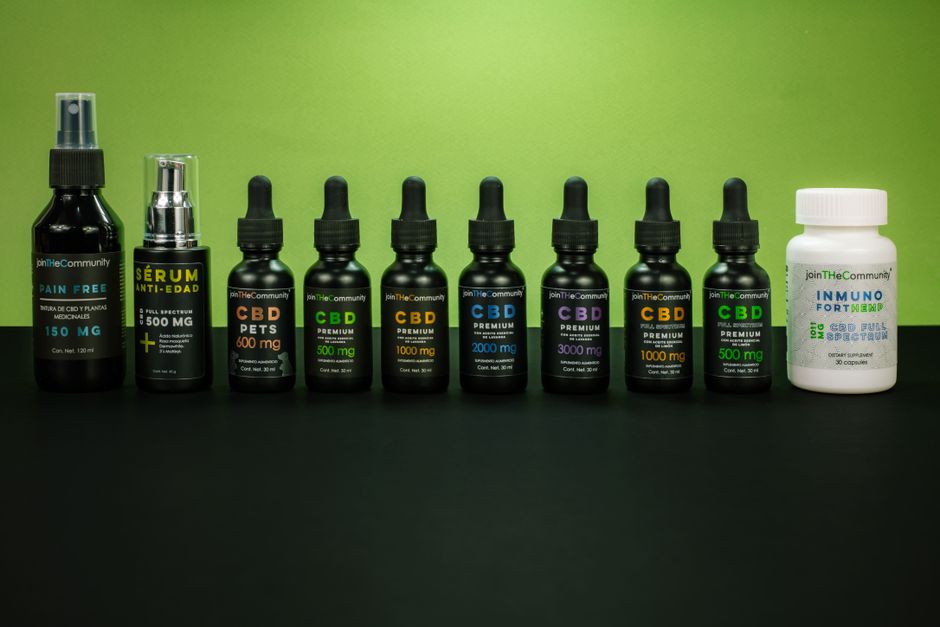
Above all, if you’re an athlete or are subject to World Anti-Doping Agency (WADA) rules, always check your batch-specific COA to confirm compliance before use.
Stay curious, scan that coa qr code, and keep your health stack honest!